//-> #region wf_dates: LOCALE-NATIVE DATE RENDERING [Foundation Layer]
//-> strftime() is deprecated in PHP 8.1 and REMOVED in PHP 9, so every call had to move. It was also being fed ONE
//-> English-shaped pattern ("%A, %d %B %Y") for all four languages, which is not how any of them writes a date:
//-> Portuguese wants "domingo, 2 de agosto de 2026" (both "de"s, unpadded day), German wants the ordinal point
//-> "Sonntag, 2. August 2026", French takes no comma. These helpers ask ICU for each LOCALE'S OWN pattern instead of
//-> imposing one, so every language is written the way that language writes it. Locale follows setlocale() in
//-> _inc/_language.php, so nothing else has to change. NOTE ON CASE: months and weekdays are lowercase in modern
//-> European Portuguese - the Acordo Ortografico de 1990 (in force in Portugal 2009, transition closed 2015) ended
//-> the old "Agosto" capitalisation. ICU follows AO90, so lowercase here is correct and not a bug.
if(!function_exists('wf_locale')){
function wf_locale(){
$loc = setlocale(LC_TIME, '0');
if(!$loc || $loc === 'C' || $loc === 'POSIX'){ $loc = 'en_GB'; }
return str_replace(['.UTF8','.UTF-8','.utf8','.utf-8'], '', $loc);
}
//-> SENTENCE-INITIAL CAPITAL. AO90 lowercased the month AS A WORD IN RUNNING TEXT ("nasceu em agosto de 1975"); it
//-> did NOT touch the universal rule that a sentence, heading or standalone line opens with a capital. Every string
//-> these helpers produce is a standalone display line - a heading over a post, the date under a testimonial, a
//-> badge - so the first letter is capitalised and the month stays lowercase inside: "Domingo, 2 de agosto de 2026".
//-> That is orthographically correct AND gives the line the visual anchor a lowercase opening throws away.
function wf_ucfirst_line($s){
if($s === '' || $s === null){ return $s; }
return mb_strtoupper(mb_substr($s, 0, 1, 'UTF-8'), 'UTF-8') . mb_substr($s, 1, null, 'UTF-8');
}
//-> Render a timestamp through an ICU skeleton, letting the locale choose its own field order and separators.
function wf_date_skel($skeleton, $timestamp){
$loc = wf_locale();
$pattern = (new IntlDatePatternGenerator($loc))->getBestPattern($skeleton);
$fmt = new IntlDateFormatter($loc, IntlDateFormatter::FULL, IntlDateFormatter::NONE,
date_default_timezone_get(), IntlDateFormatter::GREGORIAN, $pattern);
return $fmt->format($timestamp);
}
//-> Weekday + full date, the locale's own long form. Replaces strftime("%A, %d %B %Y").
function wf_date_full($timestamp){
$loc = wf_locale();
$fmt = new IntlDateFormatter($loc, IntlDateFormatter::FULL, IntlDateFormatter::NONE, date_default_timezone_get());
return wf_ucfirst_line($fmt->format($timestamp));
}
//-> Month + year. Replaces strftime("%B %Y") - PT correctly gains its "de": "agosto de 2026".
function wf_date_monthyear($timestamp){ return wf_ucfirst_line(wf_date_skel('yMMMM', $timestamp)); }
//-> Weekday + day + abbreviated month + year. Replaces strftime("%A, %e %b %G").
//-> Pluralo's booking widget reads better with the full native date than ICU's numeric-fallback skeleton.
function wf_date_weekday_abbr($timestamp){ return wf_date_full($timestamp); }
//-> Abbreviated month on its own, for the date badges. Replaces strftime("%b").
//-> Standalone badge: drop ICU's trailing abbreviation point, which reads as a typo under a big day number.
function wf_month_abbr($timestamp){ return wf_ucfirst_line(rtrim(wf_date_skel('MMM', $timestamp), '.')); }
}
//-> #endregion
Properties for sale in the Algarve and Alentejo | TOGOFOR-HOMES
By using our website you agree with our use of cookies. Find out more
Looking to buy a property in the Algarve or Alentejo?
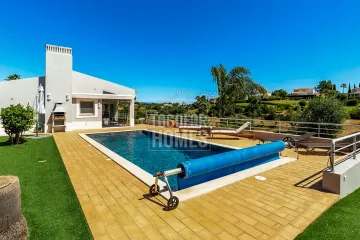
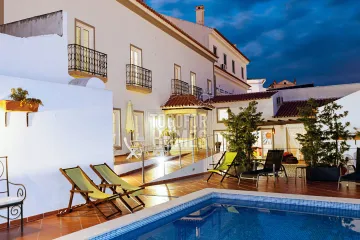
Togofor Homes offers a wide selection of properties and operates from 2 offices in the Algarve and Alentejo. Check below our listed Villas, Townhouses, Apartments, Country houses, Plots, Bed & Breakfast, Hotels, Commercial and more, all located in the sunny and vibrant South of Portugal. Our team of real estate specialists will guide you through the search for your dream property.
Ref: TV1589 - Property not available!
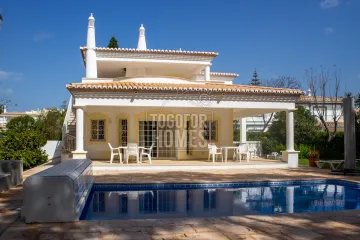
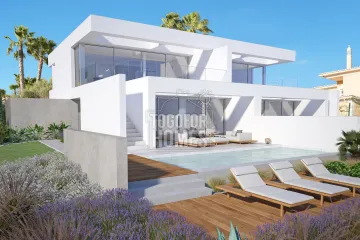
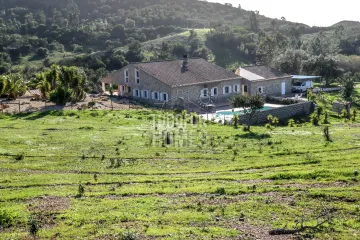
Below, there’s a list of similar properties.
Please, contact us so that we can recommend you other suggestions or use our property search.

 Can’t find what you’re looking for?